

Sign Company London Discusses What Businesses Should Know Before Installing Outdoor Signs

Leadership focused on quality printing and signage solutions
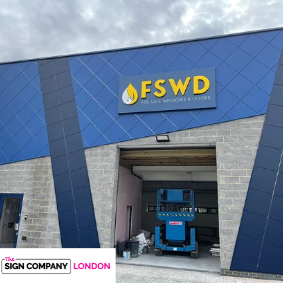
Professional exterior signage for business premises

Branded vehicle graphics for mobile visibility
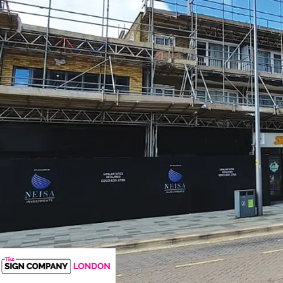
Printed hoarding for construction site branding
Planning outdoor signage? Discover key considerations from location and material durability to van wraps, construction hoarding, and planning approvals.
LONDON, ENGLAND, UNITED KINGDOM, October 23, 2026 /EINPresswire.com/ -- Outdoor signage plays an important role in how businesses present themselves to customers, identify their premises and communicate information in public-facing spaces. However, selecting a suitable sign involves several practical decisions, from assessing the installation location to choosing materials that can withstand outdoor conditions. Sign Company London addresses these considerations, highlighting why businesses should evaluate their requirements before proceeding with signage design and installation.
What to Consider When Positioning Outdoor Signs
The position of an outdoor sign influences its dimensions, layout and overall presentation. A sign installed above a shop entrance may need a different design from one displayed on a commercial building or alongside a busy road. Businesses should consider viewing distance, pedestrian movement, passing traffic and any surrounding structures that could obstruct visibility.
Readability is equally important. Complicated layouts, small lettering and excessive information can make a sign difficult to understand at a glance. Clear typography, suitable contrast and a logical arrangement of information help people recognise the business and understand the intended message.
Lighting and exposure should also be considered before finalising the design. Signs positioned in shaded areas may have different visibility requirements from those exposed to direct sunlight. Assessing these conditions in advance helps businesses develop artwork that suits the installation environment.
Material Selection and Installation Requirements
Outdoor signs must be suitable for the conditions in which they will be displayed. Rain, wind, sunlight and temperature changes can affect materials differently, depending on their composition, construction and installation method.
Businesses should consider the expected lifespan of the sign, the mounting surface and the level of maintenance required. Material selection should reflect the sign's intended use, dimensions and exposure to the elements rather than appearance alone.
Installation planning is another important consideration. Fixings and supporting structures must be appropriate for the sign's weight, size and location. Larger signs or installations at height may require additional structural assessment and specialist installation arrangements.
Maintenance access should not be overlooked. Signs positioned in difficult-to-reach areas may require specialist equipment for cleaning, inspection or replacement. Addressing these requirements before production can help businesses plan for the sign's ongoing upkeep as well as its initial installation.
Maintaining Brand Consistency Across Business Vehicles
A business's visual identity often extends beyond its premises. Companies that operate service vehicles, deliver products or regularly visit customer locations may also use vehicle graphics to maintain a recognisable appearance.
Van wraps provide an option for displaying company branding across vehicle exteriors. Designs can incorporate logos, brand colours, contact details and other relevant information, depending on the business's requirements.
The vehicle's shape, doors, windows and bodywork need to be considered during artwork preparation. Businesses should also prioritise readability, particularly when vehicles are moving or parked in busy locations. A clear layout can communicate essential information without overcrowding the available space.
Coordinating vehicle graphics with shopfronts and other business signage can help maintain a consistent visual identity across different customer-facing environments.
Construction Hoarding Requires Practical Planning
Construction projects introduce different signage considerations because site boundaries, access points and surrounding conditions can change as work progresses. Businesses and project teams may need to display development information, identify a site or present branding around construction areas.
Construction hoarding provides a surface for printed graphics around suitable site boundaries. The design may include project details, company branding or other public-facing information relevant to the development.
Before production, project teams should confirm panel dimensions, viewing distances and the position of entrances or access points. Artwork needs to fit the available surfaces while keeping important information clear and appropriately positioned.
Structural safety remains essential. Hoarding must be designed and installed to meet the requirements of the site, with printed graphics coordinated around safety notices and operational needs. Considering the structure and the artwork together helps avoid conflicts during installation.
Permissions and Safety Before Installation
Before installing outdoor signage, businesses should check whether any permissions or approvals are required. Depending on the sign's size, location, illumination and installation method, planning permission, advertisement consent or landlord approval may be necessary. Requirements vary by property and local authority, so these should be confirmed before installation begins.
Safety is another important consideration, particularly for signs positioned near public footpaths, entrances or vehicle routes. The installation method should be suitable for the mounting surface and surrounding conditions, with appropriate precautions taken to protect pedestrians, staff and contractors.
Businesses should also confirm site access, final measurements and installation schedules in advance. Where signage forms part of a refurbishment or construction project, coordinating with other contractors can help minimise disruption and prevent avoidable delays.
Preparing for Outdoor Sign Installation
Outdoor signage involves several connected decisions, including location, design, material suitability, permissions and installation methods. Reviewing these factors before production helps businesses establish requirements and select signage appropriate for its intended setting.
Sign Company London provides signage solutions for different applications, including vehicle graphics and construction hoarding. Taking a considered approach to signage planning helps businesses align their visual presentation with the practical needs of each setting.
Ravi Patel
Sign Company London
+44 20 8902 9298
sales@signcompany.london
Visit us on social media:
LinkedIn
Instagram
Legal Disclaimer:
EIN Presswire provides this news content "as is" without warranty of any kind. We do not accept any responsibility or liability for the accuracy, content, images, videos, licenses, completeness, legality, or reliability of the information contained in this article. If you have any complaints or copyright issues related to this article, kindly contact the author above.
