

Resilient Roofing Solutions: The Benefits of Silicone Roof Coatings in Extreme Weather Conditions
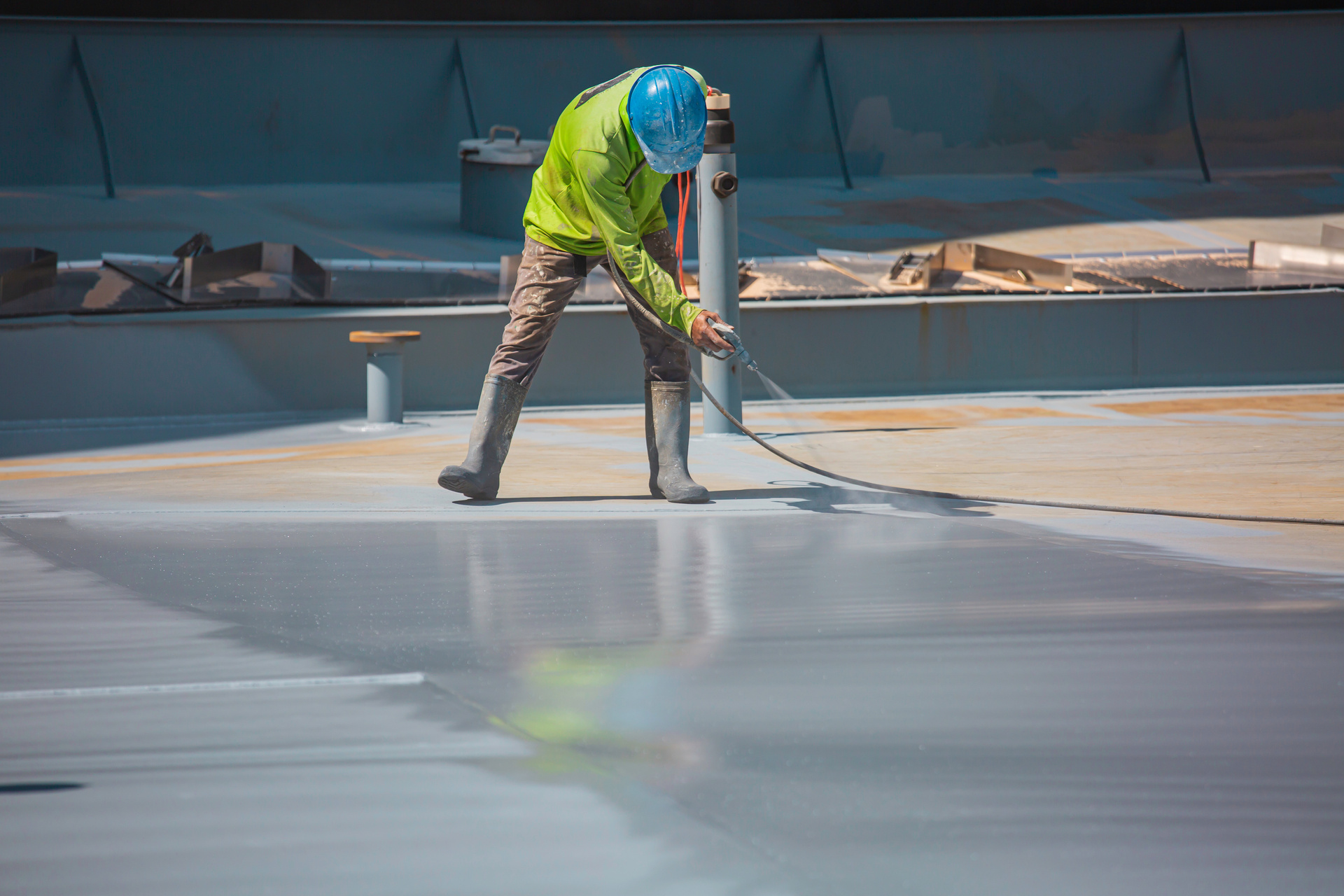
Silicone coatings provide a continuous membrane that helps mitigate water intrusion and maintain flexibility under temperature swings”
SLIDELL, LA, UNITED STATES, March 3, 2026 /EINPresswire.com/ -- — Jules Albert III
As extreme weather patterns continue to impact Gulf Coast communities and other climate-vulnerable regions, property owners are evaluating roofing systems not only for durability but also for long-term resilience. Among the solutions gaining attention in commercial and residential roofing applications are silicone roof coatings, which offer protective benefits under conditions of intense heat, heavy rainfall, and fluctuating temperatures.
Silicone roof coatings are fluid-applied systems designed to create a seamless, waterproof membrane across existing roofing substrates. Once cured, the coating forms a flexible barrier that resists ponding water, ultraviolet radiation, and thermal expansion. This adaptability makes silicone particularly suited for regions prone to hurricanes, tropical storms, and prolonged sun exposure.
In extreme heat, roofing materials are subjected to significant thermal stress. Dark surfaces absorb solar radiation, increasing rooftop temperatures and transferring heat into the building envelope. Silicone coatings often incorporate reflective properties that reduce heat absorption and moderate surface temperature. Lower rooftop temperatures may contribute to reduced strain on HVAC systems, particularly during extended periods of high ambient heat.
Heavy rainfall presents another common challenge, especially in coastal and subtropical climates. Ponding water on flat or low-slope roofs can accelerate deterioration in traditional roofing materials. Silicone’s moisture-cured chemistry allows it to maintain adhesion even under standing water conditions. Unlike some acrylic-based coatings, silicone does not readily soften or degrade after prolonged exposure to moisture.
Jules Albert III, owner of Jaymar Roofing in Slidell, Louisiana, notes that material performance under Gulf Coast weather conditions is a critical consideration. “Extreme weather events place significant stress on roofing systems,” Albert said. “Silicone coatings provide a continuous membrane that helps mitigate water intrusion and maintain flexibility under temperature swings.”
Wind resistance is also a factor in storm-prone regions. Because silicone coatings are applied as a liquid and cure into a seamless surface, they reduce the number of penetrations and seams that can become vulnerable during high-wind events. A properly prepared substrate and professionally applied coating system can reinforce the integrity of the existing roof assembly.
Flexibility is central to performance in climates with temperature variability. Roofing materials expand and contract in response to heat and cold cycles. Over time, rigid materials may crack or separate at seams. Silicone coatings maintain elasticity across a broad temperature range, allowing movement without compromising waterproofing capability.
In addition to weather resilience, silicone coatings can extend the functional lifespan of aging roofing systems. Rather than complete tear-off and replacement, certain roof types may be eligible for restoration through cleaning, repair, and coating application. This approach can reduce construction debris and minimize operational disruption for commercial facilities.
Surface preparation remains essential for coating performance. Proper cleaning, repair of existing damage, and attention to flashing details contribute to adhesion and durability. Roofing professionals evaluate substrate condition to determine compatibility and application thickness requirements.
Ultraviolet (UV) radiation is another environmental stressor, particularly in southern climates. Prolonged UV exposure can degrade conventional roofing materials over time. Silicone coatings demonstrate resistance to UV breakdown, maintaining surface integrity under sustained sun exposure. This resistance contributes to stable performance during extended summer seasons.
Energy performance considerations often accompany discussions of reflective coatings. By reducing surface heat absorption, silicone systems may help moderate interior temperatures in certain building configurations. While energy savings depend on insulation levels and HVAC efficiency, reflective roofing surfaces can contribute to broader building performance strategies.
Albert emphasizes that coating selection should align with building-specific needs. “Each structure presents unique variables, including roof slope, substrate type, and climate exposure,” Albert said. “Material selection requires evaluation of those factors to ensure compatibility and long-term durability.”
Maintenance planning also influences performance outcomes. Periodic inspections allow identification of debris accumulation, drainage obstructions, or localized wear. Addressing minor issues early supports consistent membrane function during extreme weather conditions.
Silicone roof coatings are commonly applied in commercial settings, including warehouses, retail centers, and industrial facilities with flat or low-slope roof designs. Residential applications may also benefit in certain configurations, particularly where moisture exposure and heat gain present ongoing concerns.
As climate variability increases across regions including Southeast Louisiana, roofing strategies continue to evolve toward adaptive materials. Silicone coatings represent one approach within a broader framework of weather-resilient construction practices.
By forming a seamless, flexible, and water-resistant membrane, silicone roof coatings address multiple stressors associated with extreme heat, heavy rainfall, and storm exposure. When properly evaluated and applied, these systems contribute to structural protection and sustained roof performance under demanding environmental conditions.
Morgan Thomas
Rhino Digital, LLC
+1 504-875-5036
email us here
Visit us on social media:
Facebook
Legal Disclaimer:
EIN Presswire provides this news content "as is" without warranty of any kind. We do not accept any responsibility or liability for the accuracy, content, images, videos, licenses, completeness, legality, or reliability of the information contained in this article. If you have any complaints or copyright issues related to this article, kindly contact the author above.
