

MRMVR Shares 2026 Planning Guidance for Homeowners as FIFA World Cup 26 Approaches Miami

Hard Rock Stadium

Major events amplify demand, but they also amplify expectations.

Event demand is rarely uniform across all dates.

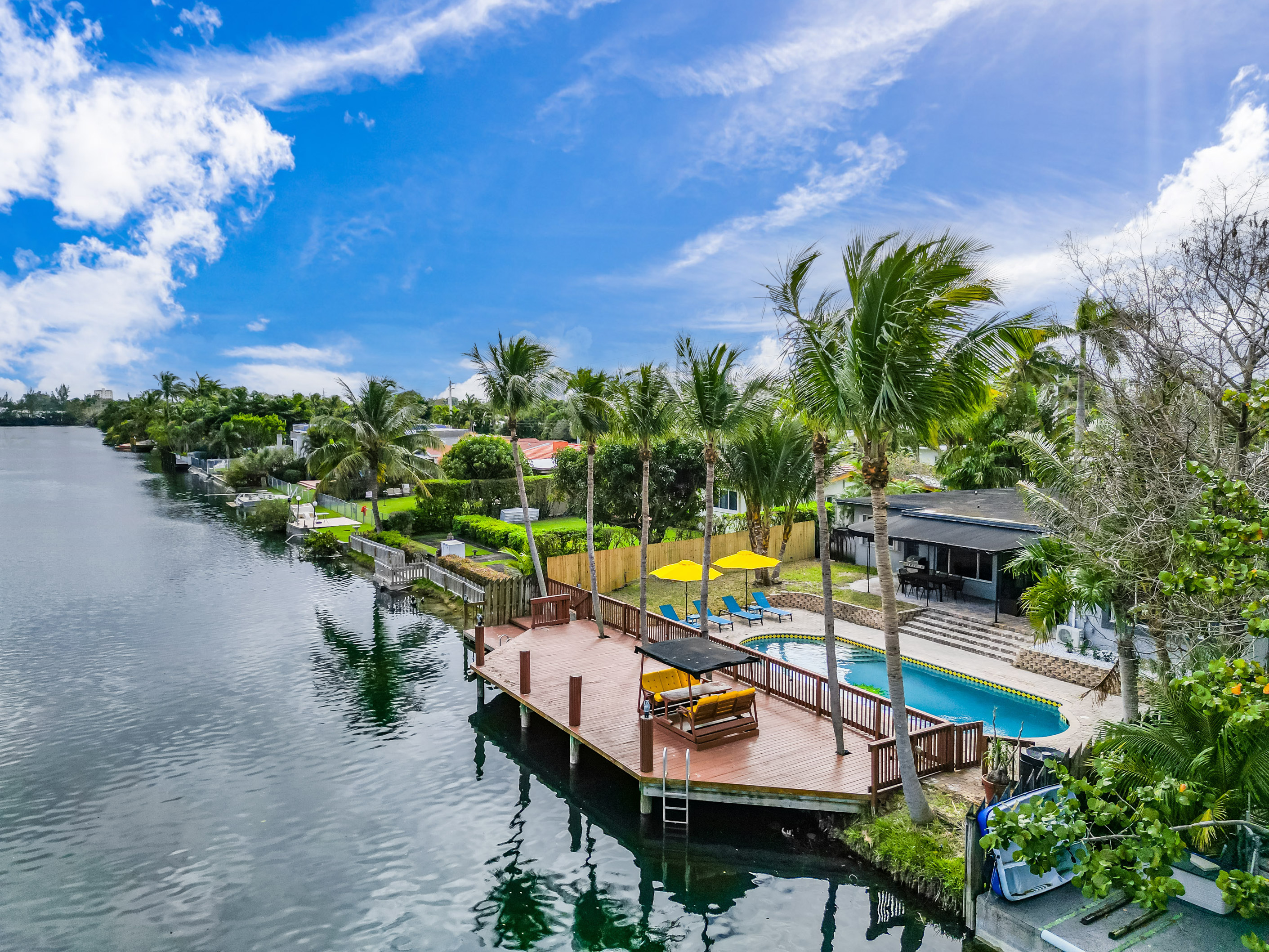
With Miami set to host World Cup matches in 2026, MRMVR outlines readiness priorities for owners seeking consistent performance and guest experience.
MIAMI, FL, UNITED STATES, March 3, 2026 /EINPresswire.com/ -- Miami Residences Management & Vacation Rentals (MRMVR), a South Florida-based property management firm, issued planning guidance for property owners preparing for 2026 travel demand that is expected to intensify across Miami and surrounding markets. The advisory comes as the FIFA World Cup 26 approaches, with FIFA confirming Miami Stadium will host seven matches during the tournament, adding a major event-driven demand period to an already active travel calendar.Event travel can create both opportunity and complexity for short-term rental owners: elevated booking volume, compressed turnovers, higher guest expectations, and tighter operational timelines. For homeowners who do not live locally, especially international owners, successful execution depends on early preparation and a clear management framework.
“Major events amplify demand, but they also amplify expectations,” said Kevin Ducros, Co-Founder and Chief Executive Officer of MRMVR. “Homeowners benefit most when they treat these periods as operational planning cycles, tightening readiness, clarifying rules, and ensuring their property can deliver a consistent guest experience under higher volume.”
While seasonal travel has long supported the South Florida vacation rental market, large-scale global events often accelerate booking patterns. Fans and international travelers frequently reserve accommodation farther in advance, and event schedules can create concentrated “compression nights” where demand peaks across select dates and neighborhoods.
Industry indicators have already highlighted early booking movement across World Cup host cities following match and schedule-related announcements. AirDNA data cited in reporting has shown booking lift across host markets after matchups were announced, reflecting how quickly event-driven accommodation demand can build once planning windows open.
Additionally, economic modeling commissioned by Airbnb and conducted by Deloitte has forecast meaningful travel-related economic contribution tied to Airbnb stays during the World Cup, including projections around host earnings and overall economic impact. While forecasts vary by market and depend on inventory, compliance, and traveler mix, the broader signal is consistent: global events can materially influence short-term accommodation demand and pricing behavior during the event window.
MRMVR’s guidance for homeowners focuses on three priority areas: revenue readiness, operational execution, and guest experience consistency.
1. Revenue readiness: pricing strategy and calendar control
For event-driven demand periods, revenue performance is often determined before the first guest arrives. Owners who update rules, pricing strategy, and minimum stay requirements early are typically better positioned to avoid calendar fragmentation and missed opportunities.
MRMVR recommends that owners evaluate:
• Minimum stays and check-in/out restrictions to reduce one-night gaps
• Pricing strategy aligned to demand surges while staying consistent with platform policies and local rules
• Calendar control across channels to avoid double-bookings and conflicts
• Gap-night and shoulder-night strategies to monetize high-demand windows without disrupting longer stays
“Event demand is rarely uniform across all dates,” said Xavier Doe, Co-Founder and Chief Operating Officer. “Owners who plan for compression nights and shoulder nights early, rather than reacting week-of, tend to preserve occupancy and reduce the operational stress that can impact reviews.”
For many owners, aligning strategy across platforms is equally important. Listings may be distributed across multiple booking channels, each with distinct guest behavior and lead times. Having a unified calendar, standardized rate strategy, and consistent listing accuracy reduces friction during peak demand windows.
2. Operational execution: turning volume into consistency
Even well-priced properties can underperform during peak periods if operations are not built for volume. Event travel can tighten turnaround windows between stays, increase maintenance frequency, and raise the cost of last-minute service recovery.
MRMVR’s operational planning checklist includes:
• Pre-season maintenance inspection (HVAC, plumbing, appliances, Wi-Fi reliability)
• Inventory readiness (linens, towels, consumables, replacement items)
• Housekeeping capacity planning for higher turnover frequency
• Vendor response standards and escalation protocols for urgent issues
• Security and access readiness (smart locks, backup entry plans, guest verification flow)
“Operational consistency is what protects performance when the market gets busy,” said Andres Bustamante, Director of Operations at MRMVR. “During compressed periods, the difference between a smooth stay and a negative review is often response time, preventive maintenance, and a dependable turnover process.”
For owners who manage remotely, reliable documentation can also reduce friction. A written playbook, covering property-specific instructions, vendor contacts, appliance details, and guest escalation procedures, can prevent avoidable delays under peak load.
3. Guest experience: setting expectations and protecting reviews
During event periods, guests are often traveling with tighter schedules and higher expectations. Clear communication and standardization become essential, particularly for international travelers who may be unfamiliar with local norms, building access requirements, or community rules.
MRMVR recommends that hosts update:
• Check-in instructions with photos and step-by-step access details
• House rules and noise policies aligned with building/HOA requirements
• Parking guidance and local transportation guidance during event congestion
• Quick-response guest support for travel delays, access issues, and itinerary shifts
• A concise local guidebook tailored to event timing and seasonal travel behavior
“Our guest services team sees the same pattern every peak season: guests expect clarity and speed,” said Javier Gonzales, Guest Services Manager at MRMVR. “When instructions are precise, and support is responsive, it reduces friction, improves guest satisfaction, and helps protect review consistency across platforms.”
MRMVR’s team also noted that multilingual readiness can improve outcomes for international guests. Standardizing templates and support flows across multiple languages helps reduce misunderstanding during high-volume travel windows.
Compliance and local readiness
MRMVR also encourages owners to treat compliance as a foundational component of event readiness. Regulatory and building requirements vary by neighborhood and property type, and demand periods can increase scrutiny in high-traffic areas.
Owner readiness should include:
• Confirming local rules that apply to short-term rentals for the property type
• Ensuring building/HOA requirements are met (registration, approvals, guest policies)
• Maintaining appropriate insurance coverage for event-volume periods
• Updating property-level safety readiness (smoke/CO detectors, emergency instructions)
• Aligning occupancy limits and guest verification procedures with property standards
Technology readiness: using data to reduce guesswork
As booking patterns shift, technology can help owners respond with clarity rather than guesswork, especially for owners who do not live locally.
MRMVR has continued to expand its operating approach through AI-driven analysis and reporting workflows designed to support:
• Pricing review and adjustment cadence
• Occupancy tracking by period and neighborhood
• Upsell opportunity identification (early check-in, late check-out, gap-night optimization)
• Owner reporting consistency across multiple listings and channels
For homeowners evaluating support options, selecting a partner with structured reporting and operational dashboards can provide visibility into performance and decision-making without requiring constant owner involvement.
Owners seeking local support can learn more about short-term rental management Miami through MRMVR’s website, including operational planning for peak demand periods.
Planning timeline: recommended preparation windows
MRMVR recommends that owners treat 2026 event readiness as a phased timeline:
a) 4 - 6 months prior: rule updates, photography refresh, listing accuracy review, maintenance inspection
b) 2 - 3 months prior: vendor capacity confirmation, housekeeping scheduling, inventory replenishment, guest communication templates
c) 30 - 60 days prior: calendar optimization, pricing review cadence, check-in flow testing, contingency planning
d) Week-of: response escalation readiness, turnover scheduling, guest support coverage
For international and out-of-state owners, early alignment is especially important. Property management for international homeowners often requires more structured reporting, clearer coordination, and stronger local execution during peak event windows.
“Owners abroad often prioritize reliability over reaction,” added Ducros. “When processes are set early and expectations are clear, the property performs more consistently, especially during peak travel weeks.”
With Miami expected to experience elevated travel activity during 2026, MRMVR’s guidance is intended to help homeowners plan early, protect guest experience standards, and reduce operational risk during high-demand periods.
About MRMVR
Miami Residences Management & Vacation Rentals (MRMVR) is a South Florida–based property management firm specializing in vacation rentals and investment properties. Founded in 2017, MRMVR supports domestic and international homeowners with service-driven operations and technology-enabled transparency across Miami and surrounding markets, including Fort Lauderdale, Hollywood, and Naples. The company integrates AI-driven property management workflows to support reporting, pricing review, and performance optimization.
Kevin Ducros
Miami Residences Management & Vacation Rentals
+1 305-747-3886
email us here
Visit us on social media:
LinkedIn
Instagram
Facebook
Legal Disclaimer:
EIN Presswire provides this news content "as is" without warranty of any kind. We do not accept any responsibility or liability for the accuracy, content, images, videos, licenses, completeness, legality, or reliability of the information contained in this article. If you have any complaints or copyright issues related to this article, kindly contact the author above.
