

Why Roof Maintenance Has Become a Priority for Local Homeowners in 2026
Repair costs have risen, and materials behave differently as they age...Addressing small issues early often prevents larger problems later”
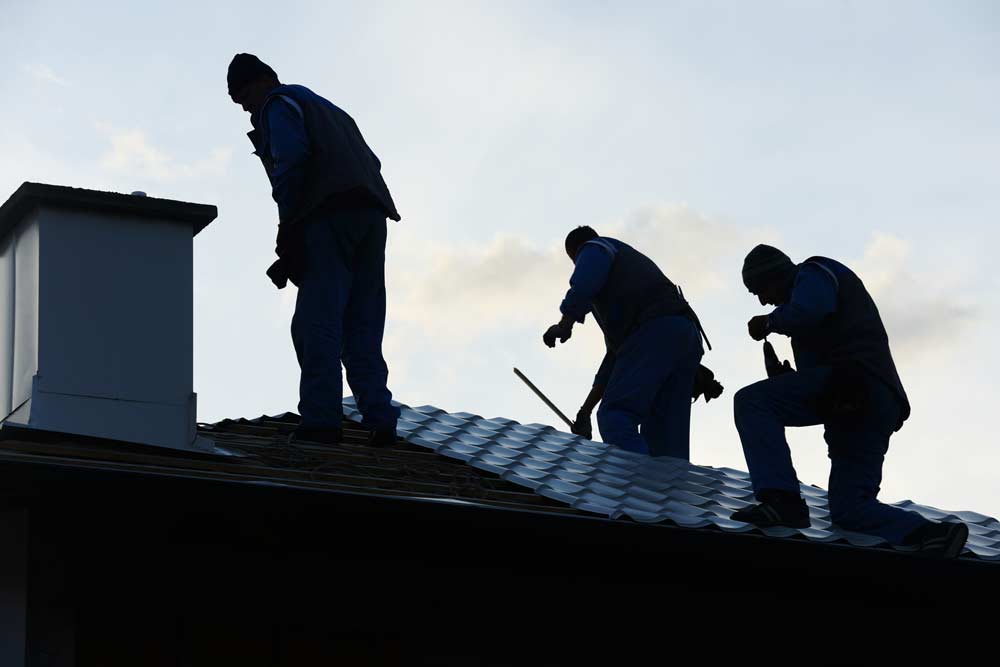
SLIDELL, LA, UNITED STATES, December 24, 2025 /EINPresswire.com/ -- Roof maintenance has taken on increased importance for homeowners entering 2026, driven by a combination of aging housing stock, changing weather patterns, insurance considerations, and rising repair costs. In southeast Louisiana, routine roof evaluations and preventative upkeep are no longer viewed as optional tasks deferred until visible damage appears. Instead, maintenance is increasingly recognized as a practical step in protecting property value and reducing long-term expense.— Jules Albert III
One contributing factor is the cumulative impact of regional weather. Frequent heavy rainfall, seasonal storms, prolonged heat, and high humidity place consistent stress on roofing systems. Even when storms do not cause immediate damage, repeated exposure accelerates wear on shingles, flashing, sealants, and underlayment. Over time, minor degradation can compromise water-shedding capability and lead to moisture intrusion.
Housing age also plays a role. Many residential properties across St. Tammany Parish and surrounding areas were constructed decades ago, often with roofing systems nearing the midpoint or latter stages of their expected service life. As materials age, tolerance for environmental stress decreases. Maintenance helps identify areas where aging components can be addressed before larger structural concerns develop.
Insurance requirements have also influenced homeowner priorities. Policy reviews increasingly consider roof condition, maintenance history, and documented inspections. Deferred upkeep may complicate claims following storm events or contribute to coverage limitations. As a result, maintaining roof condition has become part of broader risk management rather than a reactive response to damage.
According to Jules Albert III, owner of Jaymar Construction LLC in Slidell, the shift toward proactive maintenance reflects changing economic realities.
“Repair costs have risen, and materials behave differently as they age,” said Albert. “Addressing small issues early often prevents larger problems later.”
Another factor involves awareness of how roofing systems function as integrated assemblies. Shingles, ventilation, flashing, decking, and drainage work together. Failure in one area can affect the entire system. Maintenance inspections often reveal issues unrelated to the roofing surface itself, such as inadequate ventilation or compromised flashing around penetrations.
Energy considerations have further elevated maintenance priorities. Roof condition influences attic temperature, moisture control, and overall energy efficiency. Poor ventilation or deteriorated materials can increase cooling demand during extended warm seasons. Maintenance supports consistent performance and helps stabilize interior conditions.
Post-storm assessment practices have also evolved. Homeowners increasingly recognize that not all storm damage is immediately visible. Wind uplift, fastener stress, and minor impact damage may not cause leaks right away but can shorten roof lifespan. Scheduled inspections following severe weather help identify developing issues before they escalate.
Local building standards and code updates contribute to the maintenance discussion as well. As codes evolve, existing structures may fall short of newer performance benchmarks. While full replacement may not be required, maintenance allows homeowners to address specific vulnerabilities and align systems more closely with current expectations.
Financial planning considerations further reinforce the trend. Predictable maintenance costs are easier to manage than unplanned major repairs. Routine evaluations support budgeting and reduce the likelihood of emergency expenditures. This approach aligns with broader homeowner strategies focused on long-term property stewardship.
Environmental awareness has also influenced maintenance behavior. Properly maintained roofs reduce waste by extending material lifespan. Avoiding premature replacement supports more efficient use of resources and minimizes disposal impacts. Maintenance contributes to sustainability through preservation rather than replacement.
Geographic factors unique to southeast Louisiana remain central to these decisions. Humidity levels, drainage conditions, and soil characteristics affect how structures respond to moisture. Roof maintenance serves as one layer of protection within a broader system designed to manage environmental exposure.
The growing emphasis on documentation is another notable shift. Maintenance records, inspection reports, and repair histories provide clarity when evaluating roof condition. This documentation supports insurance review, resale considerations, and long-term planning.
As 2026 unfolds, roof maintenance continues to gain recognition as a foundational aspect of homeownership rather than a secondary concern. The combination of environmental exposure, economic pressure, and regulatory awareness has reshaped how homeowners view roof care.
Jaymar Construction LLC operates in Slidell, Louisiana, and works across residential construction and maintenance projects throughout the region. The company’s experience reflects broader trends influencing homeowner priorities as roof maintenance becomes an essential component of property management in southeast Louisiana.
Morgan Thomas
Rhino Digital, LLC
+1 504-875-5036
email us here
Visit us on social media:
Facebook
Legal Disclaimer:
EIN Presswire provides this news content "as is" without warranty of any kind. We do not accept any responsibility or liability for the accuracy, content, images, videos, licenses, completeness, legality, or reliability of the information contained in this article. If you have any complaints or copyright issues related to this article, kindly contact the author above.
